
Blog
A Blog About The Letsbuildup.org: A Complete Guide to the Platform, Mission, Community, and Resources in 2026


In 2026, people are increasingly looking for online platforms that offer more than information alone. They want practical guidance, useful resources, personal development ideas, career advice, parenting support, and opportunities to connect with others facing similar challenges. A Blog About The Letsbuildup.org positions itself as a resource built around these needs, with particular emphasis on balancing parenting and professional life.
The current LetsBuildUp.org homepage describes the platform as a resource for expert insights and practical advice on parenting and career, with the goal of helping people create a more fulfilling and harmonious life. It highlights three major strengths: expert advice, practical tips, and a supportive community.
The website also publishes a broad range of articles covering subjects such as parenting, careers, technology, personal development, education, real estate, wellness, and everyday family life. This makes the site more than a narrowly focused parenting blog. It is presented as a broader digital resource for people trying to manage the different responsibilities and opportunities of modern life.
What Is A Blog About The Letsbuildup.org?
A Blog About The Letsbuildup.org is an online content and community platform focused on helping individuals navigate personal and professional challenges. Its central message is closely connected to work-life balance, particularly for parents and professionals who need practical ways to manage competing responsibilities.
According to the site’s About page, LetsBuildUp.org aims to empower people to create fulfilling lives by finding harmony between personal responsibilities and professional ambitions. The platform says it provides valuable insights, practical tips, and a supportive community for parents and professionals.
The site also has a broader selection of articles. Its homepage currently includes content concerning parenting, career development, health and wellness, technology, education, real estate, family activities, and lifestyle topics.
This variety can make LetsBuildUp.org useful for readers whose needs do not fit into a single category. A working parent, for example, may want parenting advice one day, career information the next, and practical lifestyle guidance after that.
The Mission and Philosophy Behind LetsBuildUp.org
The philosophy presented by LetsBuildUp.org centers on the idea that meaningful progress happens through learning, practical action, collaboration, and continuous development. The site’s About page identifies its mission as supporting people who want to manage both their personal lives and professional responsibilities successfully.
This is particularly relevant in 2026 because modern careers are often closely connected with family responsibilities, technology, flexible work arrangements, and changing expectations around productivity. People may need guidance not only on achieving professional goals but also on maintaining relationships, managing time, and protecting personal well-being.
LetsBuildUp.org therefore presents itself as a place where these subjects can be considered together rather than separately.
The platform’s stated approach is also community-oriented. It emphasizes creating a supportive environment where people can exchange experiences and learn from one another.
That community element is important because practical advice becomes more useful when readers can compare it with real-life experiences. Different families, careers, and circumstances require different solutions, so discussion and shared perspectives can complement informational articles.
Parenting and Work-Life Balance Resources
One of the strongest themes on LetsBuildUp.org is the relationship between parenting and career development. The homepage explicitly presents the platform as a resource for people seeking to balance these two important areas of life.
Parenting can involve constantly changing responsibilities, from organizing routines and supporting children’s development to managing school schedules and family activities. At the same time, professional responsibilities can include deadlines, meetings, career development, financial goals, and workplace expectations.
Trying to manage everything simultaneously can create significant practical challenges. A useful resource therefore needs to offer realistic suggestions rather than simply encouraging people to “do more.”
LetsBuildUp.org’s current content reflects this broad family focus. Articles include topics related to conscious parenting, child development, family wellness, children’s safety, parenting routines, and family activities.
The platform also publishes material about professional and lifestyle subjects, allowing readers to explore the relationship between their family responsibilities and other areas of life.
Career, Personal Development, and Practical Guidance
Career development is another important part of the LetsBuildUp.org concept. Professional growth can involve acquiring new skills, improving productivity, exploring employment opportunities, starting a business, or making decisions about long-term career direction.
The site’s broader mission emphasizes personal and professional development, suggesting that career progress should be considered alongside individual well-being rather than treated as an isolated objective.
Its current homepage contains articles involving careers, entrepreneurship, professional services, technology, and other practical subjects.
For readers, the value of this approach is its variety. Someone considering a career change may also be thinking about childcare, relocation, finances, education, or work-life balance. A platform covering several of these subjects can provide a broader starting point for research.
However, readers should distinguish general educational content from professional advice. Legal, medical, financial, and other specialized decisions should be checked against appropriate qualified professionals and authoritative sources.
The LetsBuildUp.org Community and Content Approach
Community is central to the site’s identity. LetsBuildUp.org describes its community as a place where people can share experiences, ask questions, collaborate, and learn from one another.
The site also publishes content specifically discussing the idea of a LetsBuildUp.org blog and collaborative community. These articles describe the platform as a place where individuals can exchange ideas and participate in discussions around personal growth, collaboration, and community development.
This makes the blog an important part of the site’s overall strategy. Rather than presenting one fixed solution to every problem, a broad content platform can introduce readers to different perspectives.
The current homepage demonstrates that approach through a large collection of articles. Topics range from parenting and family wellness to technology, real estate, education, travel, lifestyle, and professional development.
For readers, this creates an opportunity to use LetsBuildUp.org as a starting point for exploring questions that affect multiple areas of life.
Why LetsBuildUp.org Is Relevant in 2026
The relevance of LetsBuildUp.org in 2026 comes largely from the changing relationship between work, family, technology, and personal development.
Remote and hybrid work have changed how many people organize their professional lives. Digital tools have made communication easier but can also make it harder to disconnect from work. Parents increasingly have to manage schedules that combine employment, education, childcare, household responsibilities, and technology.
A platform that focuses on balance, practical advice, and community support can therefore address challenges that many modern families and professionals encounter.
LetsBuildUp.org also publishes technology-related content, including articles about digital lifestyles and technology’s role in family life. This is important because technology now affects almost every aspect of modern living, from children’s online safety to workplace productivity.
The platform’s broad content model allows readers to consider technology as part of a larger lifestyle rather than treating it as a completely separate subject.
Frequently Asked Questions About LetsBuildUp.org
What is LetsBuildUp.org?
LetsBuildUp.org is an online resource focused particularly on parenting, career development, work-life balance, personal growth, and practical lifestyle guidance.
Who is LetsBuildUp.org for?
The platform is primarily aimed at parents, professionals, families, students, and people interested in personal or professional development. Its broad article collection also makes it relevant to readers researching technology, education, wellness, and lifestyle topics.
What topics does LetsBuildUp.org cover?
Its current content includes parenting, career, family wellness, technology, education, real estate, lifestyle, personal development, and community-related subjects.
Does LetsBuildUp.org focus on work-life balance?
Yes. Work-life balance is one of the central themes presented on the site’s About page and homepage.
Can readers contribute to LetsBuildUp.org?
The site publishes material discussing blogging, collaboration, and community participation. Its Terms and Conditions also address user-submitted content, including comments, feedback, and other materials.
How can readers contact LetsBuildUp.org?
The site’s contact page provides support@letsbuildup.org as its contact email and includes additional contact information.
Conclusion
A Blog About The Letsbuildup.org is positioned in 2026 as a broad online resource built around an increasingly important challenge: finding a practical balance between family, career, personal development, and modern life.
Its strongest focus is on parenting and professional life, but the site’s content extends into technology, education, wellness, real estate, lifestyle, and community topics. This broad approach allows readers to explore several interconnected areas rather than treating each life challenge in isolation.
The platform’s emphasis on practical information and supportive community is particularly valuable for people who want ideas they can apply to everyday situations. Its stated mission is not simply to provide information but to help individuals learn, grow, connect, and move toward meaningful goals.
For anyone researching LetsBuildUp.org in 2026, the platform can be viewed as a digital destination for people trying to build a more balanced and informed life. Whether the goal is becoming a more confident parent, improving a career, learning something new, managing modern technology, or finding practical lifestyle ideas, its growing collection of resources provides a starting point for continued learning and personal growth.
Blog
Setting Granite Countertops: The Complete Guide to Professional Installation and Long-Lasting Results

Setting granite countertops is one of the most important stages of any kitchen or bathroom renovation. Granite remains a top choice in 2026 because of its durability, natural beauty, heat resistance, and long lifespan. When properly installed, granite countertops can last for decades while maintaining their elegant appearance and increasing property value.
Whether we are remodeling a modern kitchen, upgrading a bathroom vanity, or creating a luxurious workspace, understanding the process of setting granite countertops helps ensure a flawless result. From preparation and measurement to leveling, securing, and sealing, every step contributes to the countertop’s performance and appearance.
This guide covers everything involved in setting granite countertops, including preparation techniques, installation methods, common mistakes, maintenance practices, and professional recommendations.
Why Granite Countertops Remain a Popular Choice
Granite is a natural stone formed under intense heat and pressure beneath the earth’s surface. Its unique mineral composition creates stunning patterns and color variations that make every slab one of a kind.
Some of the biggest advantages of granite countertops include:
- Exceptional durability
- Natural resistance to scratches
- Heat-resistant surface
- Timeless visual appeal
- Increased property value
- Wide variety of colors and patterns
- Long service life with proper maintenance
Unlike synthetic materials, granite offers natural elegance that complements traditional, contemporary, farmhouse, and luxury kitchen designs.
Because of these benefits, homeowners and commercial property owners continue investing in granite installations for kitchens, bathrooms, bars, laundry rooms, and outdoor cooking areas.
Preparing for Setting Granite Countertops
Successful installation begins long before the stone reaches the project site. Proper preparation ensures accurate placement and minimizes the risk of damage during installation.
Measuring the Space
Precise measurements are essential when ordering granite slabs. Installers carefully measure:
- Counter length
- Counter depth
- Sink openings
- Appliance locations
- Backsplash requirements
- Overhang dimensions
Even small measurement errors can lead to costly modifications or replacement pieces.
Inspecting Cabinets
Before setting granite countertops, cabinet bases must be strong enough to support the substantial weight of natural stone.
Installers verify:
- Structural stability
- Level surfaces
- Proper anchoring to walls
- Reinforced support where necessary
Weak cabinets can cause shifting, cracking, or uneven countertop surfaces after installation.
Checking for Level Conditions
Granite requires a perfectly level foundation. Any unevenness in the cabinet system must be corrected using shims and adjustments before installation begins.
Professional installers spend significant time ensuring all cabinets are level because granite slabs cannot flex to compensate for irregular surfaces.
The Process of Setting Granite Countertops
The actual installation process requires careful handling and precision.
Transporting the Slabs
Granite slabs are extremely heavy and fragile during transport. Professionals use:
- Specialized carrying clamps
- A-frame transportation racks
- Protective padding
- Multiple installers for lifting
Proper transportation reduces the risk of cracking or chipping.
Dry Fitting the Granite
Before applying adhesives or permanent fasteners, installers perform a dry fit.
This process involves:
- Positioning each slab
- Verifying seam alignment
- Checking overhang dimensions
- Confirming sink and appliance openings
- Inspecting overall appearance
Dry fitting allows adjustments before final installation.
Applying Support Materials
Depending on the project requirements, installers may use:
- Silicone adhesive
- Construction adhesive
- Epoxy compounds
- Reinforcement brackets
These materials help secure the countertop while allowing slight flexibility for natural movement.
Positioning and Leveling
Once supports are ready, the granite slab is carefully lowered into position.
Installers verify:
- Front-to-back level
- Side-to-side level
- Seam alignment
- Wall fitment
Minor adjustments are often made using shims to achieve a perfectly flat surface.
Seaming Granite Countertops for a Professional Finish
Many countertop installations require multiple granite sections. Proper seam creation is critical for achieving a seamless appearance.
Matching Patterns
Professional installers carefully align:
- Veining patterns
- Color transitions
- Mineral formations
The goal is to make seams as inconspicuous as possible.
Using Epoxy Adhesives
Color-matched epoxy is applied between adjoining pieces. The epoxy creates a strong bond while blending with the stone’s natural appearance.
Finishing the Seam
After curing, the seam is:
- Scraped smooth
- Polished
- Inspected under various lighting conditions
A properly executed seam should be difficult to notice from normal viewing distances.
Installing Sinks and Backsplashes with Granite Countertops
Countertop installation often includes sinks and backsplashes.
Undermount Sink Installation
Undermount sinks are highly popular because they create a clean and modern appearance.
Installation involves:
- Positioning sink brackets
- Applying waterproof silicone
- Securing mounting hardware
- Testing structural support
A correctly installed undermount sink can safely support years of daily use.
Backsplash Installation
Granite backsplashes provide additional protection against moisture and stains.
Benefits include:
- Easier cleaning
- Wall protection
- Enhanced aesthetics
- Coordinated design appearance
Backsplashes are typically secured using adhesive and carefully aligned for a consistent finish.
Common Mistakes to Avoid When Setting Granite Countertops
Even premium granite can develop problems if installation mistakes occur.
Ignoring Cabinet Leveling
One of the most frequent issues involves placing granite on uneven cabinets. This can create stress points that increase the risk of cracks.
Insufficient Support
Granite is heavy and requires adequate structural support. Unsupported overhangs may eventually sag or fracture.
Poor Seam Placement
Visible seams can negatively affect the countertop’s appearance. Strategic seam positioning is essential for a professional result.
Skipping Sealant Application
Many granite varieties are porous. Failure to seal the stone can allow staining from oils, beverages, and food products.
Improper Handling
Dropping or twisting a granite slab during installation can cause permanent damage. Proper lifting techniques are crucial throughout the process.
Maintenance After Setting Granite Countertops
Once installation is complete, routine maintenance helps preserve the stone’s beauty and functionality.
Regular Cleaning
Use:
- Mild soap
- Warm water
- Stone-safe cleaners
- Soft microfiber cloths
Avoid harsh chemicals that may damage the sealant.
Periodic Sealing
Many granite surfaces benefit from resealing every one to three years, depending on usage and stone porosity.
A quality sealant helps:
- Prevent staining
- Improve moisture resistance
- Maintain appearance
- Extend countertop life
Preventing Damage
Although granite is durable, homeowners should still:
- Use cutting boards
- Clean spills promptly
- Avoid excessive impact
- Protect edges from heavy blows
Proper care ensures the countertop remains attractive for decades.
The Value of Professional Granite Countertop Installation
While some renovation projects can be completed independently, setting granite countertops often requires professional expertise. The weight, precision, and specialized equipment involved make professional installation the safest and most reliable option.
Experienced installers understand:
- Accurate measurements
- Structural requirements
- Seam placement techniques
- Stone handling procedures
- Finishing and polishing methods
Their expertise significantly reduces the risk of costly mistakes and ensures a beautiful final result.
Conclusion
Setting granite countertops is a detailed process that combines preparation, precision, and craftsmanship. From cabinet inspection and slab positioning to seam finishing and sealing, every step contributes to the countertop’s durability and visual appeal.
Granite remains one of the most desirable countertop materials in 2026 because of its strength, elegance, heat resistance, and long-term value. When installed correctly and maintained properly, granite countertops provide decades of reliable performance while enhancing the beauty of kitchens, bathrooms, and other living spaces.
By following proper installation practices and investing in quality workmanship, we can achieve a stunning granite countertop system that combines functionality, durability, and timeless style.
Frequently Asked Questions (FAQ)
How long does it take to set granite countertops?
Most residential granite countertop installations can be completed within a single day, although larger or more complex projects may require additional time.
Do granite countertops need to be sealed?
Yes. Most granite countertops benefit from sealing to protect against moisture absorption and staining.
Can granite countertops crack after installation?
Granite is extremely durable, but improper support, excessive impact, or structural movement can cause cracking.
How much weight can granite countertops support?
When properly installed with adequate cabinet support, granite countertops can support substantial weight and withstand normal residential use.
Are granite countertops heat resistant?
Yes. Granite naturally resists heat, making it suitable for kitchen environments, though trivets are still recommended for maximum protection.
How often should granite countertops be resealed?
Most granite surfaces should be resealed every one to three years, depending on usage and the stone’s porosity.
Can granite countertops increase home value?
Yes. Granite countertops are widely viewed as a premium feature that can improve a home’s appearance and market appeal.
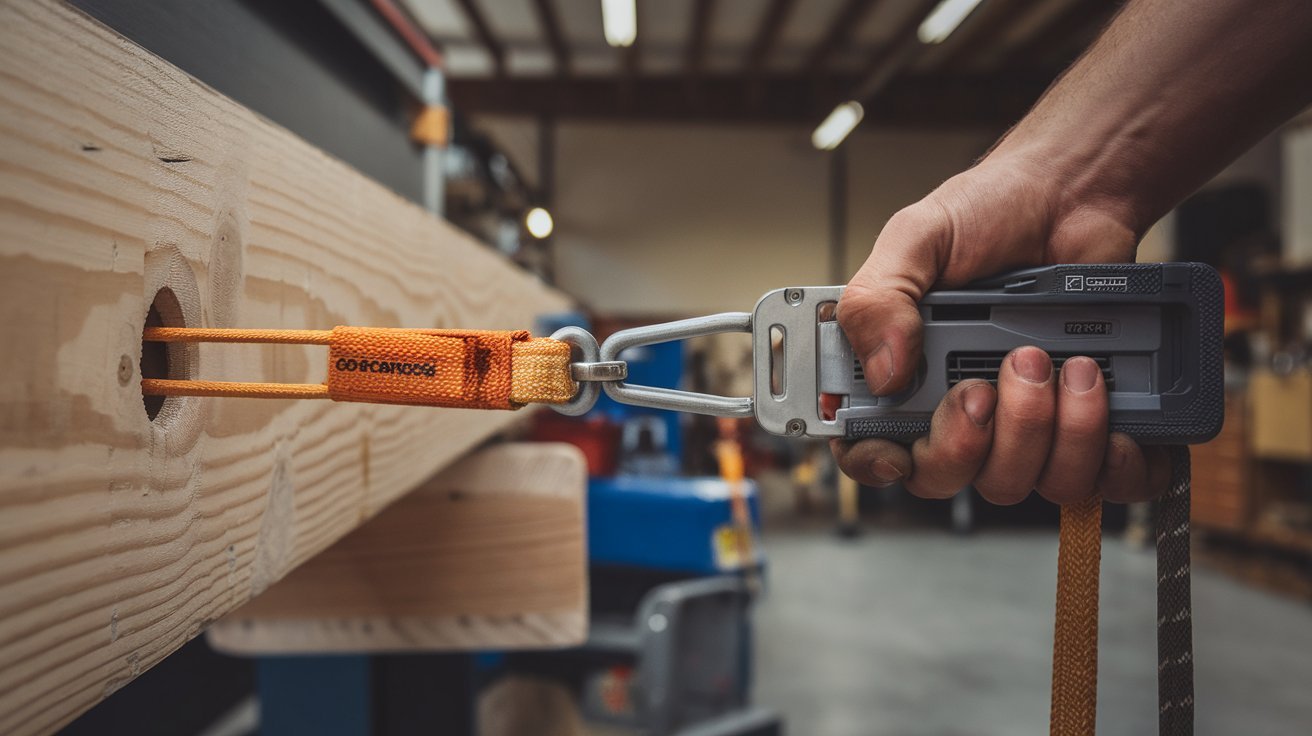
Learning ratchet tie down how to thread is an important skill for anyone who regularly transports motorcycles, furniture, equipment, lumber, appliances, or other cargo. A ratchet tie-down can create strong tension and help keep a load from shifting during transportation, but only when the strap is installed and used correctly. Incorrect threading can leave the strap loose, cause uneven tension, or make the mechanism difficult to release.
A typical ratchet tie-down consists of a webbing strap, ratchet mechanism, spool, handle, and attachment hardware such as hooks or loops. Although designs differ between manufacturers, the basic threading principle is similar: the loose end of the webbing passes through the ratchet spool and is then tightened by operating the handle.
This guide explains how ratchet tie-down straps are threaded, how the mechanism works, common mistakes, safety checks, and practical tips for achieving a secure setup.
What Is a Ratchet Tie-Down?
A ratchet tie-down is a cargo-securing device designed to apply tension to a strap around or across a load. The ratchet mechanism makes it easier to tighten the webbing than manually pulling a conventional strap.
The system usually has two major parts. The first is the ratchet assembly, which contains the handle and rotating spool. The second is the webbing strap, which passes through the spool and connects to an anchor point.
Depending on the design, a tie-down may have S-hooks, J-hooks, flat hooks, loop ends, or other attachment hardware. The appropriate style depends on the vehicle, anchor points, and type of cargo being transported.
It is important to distinguish a tie-down’s working load limit (WLL) from its breaking strength. The WLL is the relevant rating for determining how much load the tie-down is intended to secure under specified conditions. Always follow the manufacturer’s rating and instructions rather than relying on the strap’s appearance.
Ratchet Tie Down How to Thread: The Basic Process
The basic ratchet tie down how to thread process starts with opening the ratchet mechanism sufficiently to expose the spool. Place the strap so that the side of the webbing intended for the load faces correctly and make sure it is not twisted.
The free end of the webbing is then passed through the slot in the rotating spool. Pull enough webbing through the spool to remove unnecessary slack while leaving sufficient material for the ratchet to wind securely.
Once the webbing is positioned correctly, operate the ratchet handle through its normal range of motion. The spool winds the webbing around itself, gradually increasing tension.
The exact mechanism can vary, so follow the manufacturer’s threading diagram whenever one is provided. Some ratchets have different spool designs or release mechanisms, and forcing the webbing through an incorrect opening can prevent the ratchet from functioning properly.
The goal is not simply to make the strap extremely tight. The goal is to achieve appropriate, stable tension without damaging the strap, cargo, or anchor point.
Step-by-Step Guide to Threading a Ratchet Strap
Before threading the strap, inspect the entire tie-down. Look for cuts, fraying, melted fibers, damaged stitching, bent hooks, corrosion, or a malfunctioning ratchet. A damaged strap should not be used for securing cargo.
Next, identify the ratchet’s spool and release mechanism. Open the ratchet according to its design so that the spool can accept the webbing.
Feed the free end of the webbing through the spool slot. Pull the strap through by hand until most unnecessary slack has been removed. Keeping the webbing relatively flat helps it wind evenly.
Close the ratchet into its operating position and move the handle repeatedly through its normal motion. The webbing should wrap around the spool rather than bunching, folding, or crossing over itself.
Stop tightening when the load is appropriately secured. Do not continue ratcheting simply because the mechanism allows additional movement. Excessive tension can damage cargo, attachment points, or the tie-down itself.
Finally, close and lock the ratchet in its intended secured position. Check the strap path and attachment points before transporting the load.
Common Ratchet Strap Threading Mistakes
Several mistakes can make a ratchet tie-down less effective. One of the most common is threading the webbing in the wrong direction around the spool. If the strap is installed incorrectly, the ratchet may fail to wind properly or may be difficult to operate.
Another mistake is leaving too much loose webbing between the load and the ratchet. Excess slack means the ratchet has to wind a large amount of material before proper tension develops.
Twisted webbing is another problem. A twisted strap may not distribute tension as intended and can rub against edges or other surfaces unevenly.
Overloading is even more serious. A ratchet strap should never be selected based only on whether it physically fits around the cargo. Its working load limit must be appropriate for the cargo and securing arrangement.
Finally, never use a tie-down with damaged webbing or hardware simply because the damage appears minor. Webbing and stitching can deteriorate from abrasion, chemicals, heat, weather, and repeated use.
How to Use Ratchet Tie-Downs Safely
Correct threading is only one part of safe cargo securement. The entire system—including anchor points, hooks, webbing, ratchet, and load—needs to be appropriate.
Before driving, inspect every attachment point. Hooks should be properly seated and should not be positioned in a way that allows them to disengage. The strap should also be routed so that it does not contact sharp edges without appropriate protection.
For loads with potentially abrasive or sharp surfaces, use suitable edge protection. This can help reduce cutting or abrasion of the webbing.
After beginning transportation, periodically check the load when practical and safe to do so. Cargo can settle, shift, or change tension during movement.
Never use a tie-down as a substitute for an appropriate restraint system when transporting a load that requires specialized securement. For heavy commercial cargo, follow applicable transportation regulations and professional load-securement practices.
Choosing the Right Ratchet Tie-Down
Selecting the correct strap is just as important as knowing how to thread a ratchet tie down. Consider the cargo’s weight, dimensions, shape, anchor points, and the forces likely to affect it during transportation.
Look for the manufacturer’s working load limit, strap length, webbing material, hardware type, and intended application. Different straps are designed for different environments and loads.
For example, a tie-down used for light household cargo may be very different from one designed for heavier recreational equipment. Never assume that a wider or thicker strap automatically makes every securing arrangement safe.
Also consider the condition and quality of the hardware. Hooks and ratchets should operate correctly and show no signs of significant deformation or corrosion.
The safest choice is a tie-down whose specifications and intended application are appropriate for the particular load and securing system.
How to Release a Ratchet Tie-Down
Releasing a ratchet tie-down should be done carefully because stored tension can cause the mechanism or webbing to move unexpectedly.
Keep hands and fingers away from pinch points around the ratchet mechanism. Operate the release mechanism according to the manufacturer’s instructions and gradually allow the tension to come off.
Do not place your body in a position where you could be struck if the strap or load suddenly moves. A heavily tensioned load may behave differently when the strap is released.
Once tension is removed, pull the webbing back through the spool and detach the hooks or other hardware. Store the strap cleanly so that the webbing does not become unnecessarily tangled or damaged.
Frequently Asked Questions About Ratchet Tie Down How to Thread
Which way does the strap go through a ratchet?
The free end generally passes through the slot in the rotating spool, but the exact routing depends on the ratchet design. Always compare the mechanism with the manufacturer’s threading instructions.
Why won’t my ratchet strap tighten?
Possible causes include incorrect threading, excessive slack, webbing wrapped incorrectly around the spool, or a damaged mechanism. Check the threading path before applying additional force.
Can I use a damaged ratchet strap?
No. Cuts, severe fraying, damaged stitching, melted fibers, bent hardware, or malfunctioning ratchets are reasons to remove a tie-down from service.
How tight should a ratchet tie-down be?
It should provide appropriate tension for securing the load without excessive force. Over-tightening can damage cargo, anchor points, or the strap.
Why does my ratchet strap twist?
Twisting can happen when the webbing is not positioned flat before tightening. Reposition the strap so it runs smoothly and avoid allowing it to cross or fold unnecessarily.
Can ratchet straps secure any type of cargo?
No. The tie-down must be appropriate for the weight, shape, securing points, and transportation conditions of the load. Specialized or very heavy cargo may require additional restraint systems.
Conclusion
Understanding ratchet tie down how to thread is essential for using cargo straps effectively. The basic process involves opening the ratchet, feeding the webbing through the spool, removing excess slack, and using the ratchet mechanism to create appropriate tension.
However, proper threading is only part of safe cargo securement. Always inspect the webbing, stitching, hooks, ratchet, and anchor points, respect the manufacturer’s working load limit, protect straps from sharp edges, and avoid excessive tension.
When in doubt, consult the manufacturer’s instructions for the exact ratchet design you own. With correct threading, appropriate equipment, and regular inspection, ratchet tie-downs can be a practical and reliable way to secure many types of cargo during transportation.



 Celebrity3 months ago
Who Is Susie Cusack: Exploring Her Life, Family Legacy, Career, and Private Journey
- Celebrity3 months ago
Who Is Marion Loretta Elwell Broderick? Sarah Jessica Parker’s Daughter
- Sports3 months ago
Stream East: A Complete Guide to the Popular Sports Streaming Platform
- Celebrity3 months ago
Jake Paltrow: Biography, Career, Movies, Family, and Filmmaking Journey
- Business3 months ago
RenWeb: A Complete Guide to School Management, Parent Communication, and Student Information Systems
- Business3 months ago
Mike Wolfe Passion Project: Preserving America’s History Through Vintage Treasures and Community Revival
- Sports3 months ago
Total Sportek: What It Is, How It Works, and Legal Alternatives for Sports Fans
- Business3 months ago
SnapJotz com (2026): Complete Guide to Features, Digital Content, Benefits, and User Experience