
Business
RenWeb: A Complete Guide to School Management, Parent Communication, and Student Information Systems

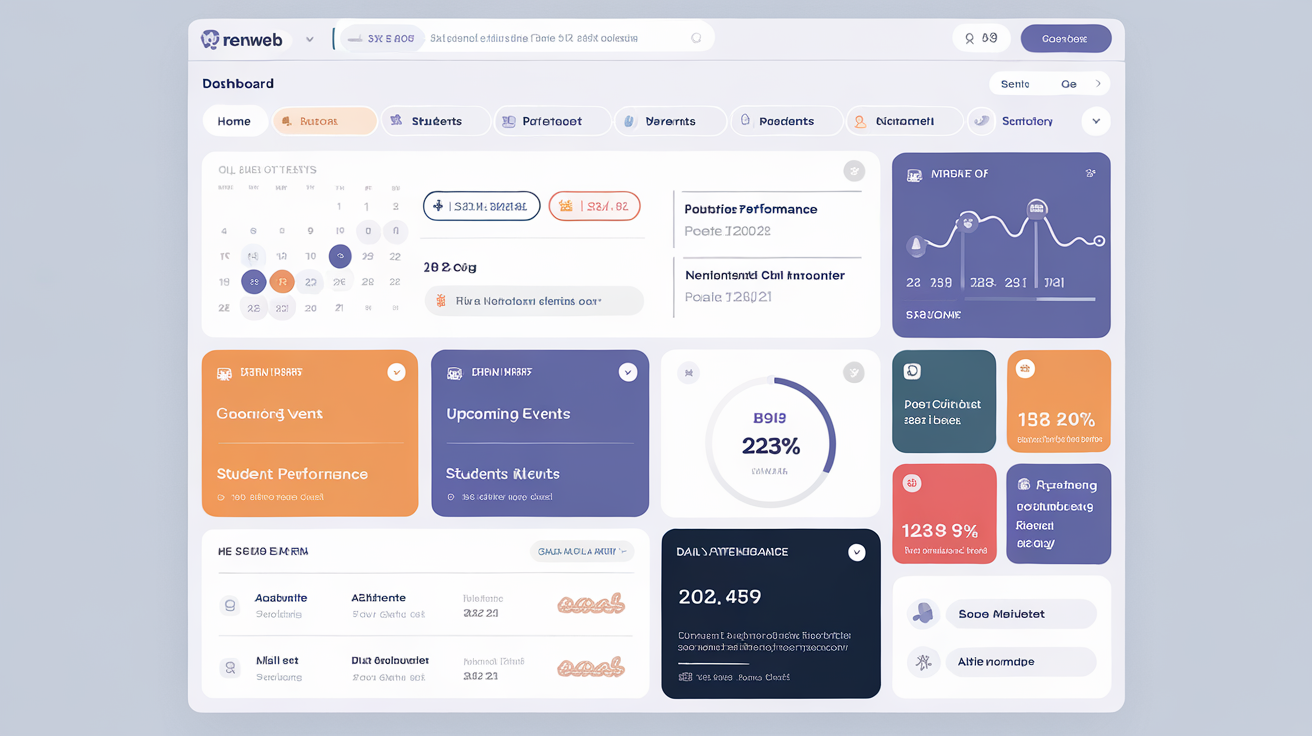
In today’s digital education environment, schools rely heavily on technology to manage student records, streamline communication, and improve administrative efficiency. One platform that has played a significant role in modern school management is RenWeb. Widely used by private schools, faith-based institutions, and independent educational organizations, RenWeb has become a trusted solution for handling everything from attendance and grading to parent communication and financial management.
As educational institutions continue to adopt digital tools, understanding how RenWeb works and why it remains popular can help administrators, teachers, parents, and students make the most of its capabilities. Whether you are a school leader evaluating management systems or a parent trying to navigate your child’s academic information, learning about RenWeb provides valuable insight into one of the most recognized school information platforms in education.
This comprehensive guide explores RenWeb’s features, benefits, history, functionality, and impact on modern schools.
What Is RenWeb?
RenWeb is a school management and student information system designed to help educational institutions organize academic, administrative, and communication processes through a centralized platform.
The software enables schools to manage essential tasks such as:
- Student records
- Attendance tracking
- Grade reporting
- Parent communication
- Class scheduling
- Tuition management
- Admissions processes
- Academic reporting
By bringing multiple functions together into one integrated system, RenWeb helps reduce paperwork and improve operational efficiency.
Over time, RenWeb became widely known among private and faith-based schools because it offered practical solutions tailored to their unique administrative needs. Today, many educational institutions continue to use the platform as part of their daily operations.
The goal of RenWeb is simple: provide schools with a comprehensive digital environment that supports students, teachers, administrators, and families.
The History and Evolution of RenWeb
The growth of school technology has transformed educational administration over the past few decades. Before digital management systems became common, schools relied heavily on paper records, filing cabinets, handwritten attendance logs, and manual report cards.
These traditional methods often created challenges such as:
- Time-consuming administrative work
- Limited data accessibility
- Communication delays
- Increased risk of record errors
- Difficulty generating reports
RenWeb emerged as part of the broader movement toward digital school management. By introducing centralized data systems, the platform allowed schools to modernize their operations and improve information accessibility.
As technology advanced, educational software evolved to include cloud-based solutions, mobile accessibility, parent portals, and real-time communication tools. RenWeb adapted to these changes by expanding its capabilities and integrating additional features that addressed the evolving needs of schools and families.
Today, school management platforms serve as essential infrastructure for educational institutions seeking greater efficiency and transparency.
Key Features of RenWeb
One of the reasons RenWeb became popular is its broad range of features designed to support school operations.
Student Information Management
Schools can maintain detailed student records in a secure and organized database.
Information may include:
- Enrollment data
- Academic history
- Contact information
- Medical records
- Attendance history
Centralized record management simplifies administration and improves data accessibility.
Gradebook and Academic Reporting
Teachers can enter grades electronically and generate reports quickly.
Benefits include:
- Real-time grade updates
- Progress monitoring
- Report card generation
- Performance tracking
Parents and students often gain convenient access to academic information through dedicated portals.
Attendance Tracking
Attendance management is a critical responsibility for schools.
RenWeb helps schools monitor:
- Daily attendance
- Tardiness
- Absences
- Attendance trends
Accurate attendance records support both academic success and regulatory compliance.
Scheduling and Class Management
The platform assists schools in organizing:
- Course schedules
- Teacher assignments
- Classroom allocations
- Student timetables
Efficient scheduling reduces administrative complexity and improves resource utilization.
How RenWeb Improves Communication Between Schools and Families
Effective communication is essential for student success. One of RenWeb’s most valuable contributions is its ability to strengthen communication among schools, parents, teachers, and students.
Parent Portals
Parents can access important information through secure online accounts.
Common features include:
- Grade monitoring
- Attendance tracking
- Homework assignments
- School announcements
- Event calendars
This transparency helps families remain actively involved in their children’s education.
Teacher Communication
Teachers can share updates and information directly with parents.
Examples include:
- Classroom announcements
- Academic concerns
- Assignment reminders
- Progress updates
Improved communication often leads to stronger partnerships between families and schools.
School-Wide Notifications
Administrators can distribute important announcements quickly.
Examples include:
- Schedule changes
- Emergency notifications
- Event reminders
- Policy updates
Digital communication tools help ensure that important information reaches stakeholders promptly.
Benefits of RenWeb for School Administrators
School administrators face numerous responsibilities ranging from enrollment management to academic oversight. RenWeb offers several benefits that help streamline these tasks.
Increased Efficiency
Automating routine processes reduces manual workload and saves valuable time.
Better Data Organization
Centralized databases make information easier to access and manage.
Enhanced Reporting Capabilities
Administrators can generate detailed reports related to:
- Student performance
- Attendance
- Enrollment
- Financial information
Improved Decision-Making
Access to accurate data supports informed planning and strategic decision-making.
Regulatory Compliance
Many educational institutions must maintain specific records and reporting standards.
Digital systems help ensure that documentation remains organized and accessible.
These benefits contribute to smoother school operations and more effective leadership.
Advantages of RenWeb for Teachers and Students
While administrators benefit from operational efficiencies, teachers and students also experience significant advantages.
Benefits for Teachers
Teachers often appreciate tools that reduce administrative burdens and improve classroom management.
Key advantages include:
- Simplified grade entry
- Automated report generation
- Improved communication with parents
- Easy attendance tracking
- Access to student information
These features allow educators to spend more time focusing on instruction and student engagement.
Benefits for Students
Students gain greater visibility into their academic progress.
They can often access:
- Grades
- Assignments
- Schedules
- Attendance records
This transparency encourages accountability and helps students stay informed about their educational responsibilities.
Digital access to information also promotes better time management and organization.
Financial Management and Administrative Functions
Many schools use RenWeb for more than just academic management. Financial administration is another important area where the platform can provide value.
Tuition Management
Schools often manage:
- Tuition payments
- Billing schedules
- Payment plans
- Financial records
Digital systems simplify these processes and improve financial tracking.
Enrollment and Admissions
Admissions offices can organize applicant information more efficiently.
Common functions include:
- Application management
- Enrollment tracking
- Document collection
- Communication with prospective families
Resource Management
Schools may use administrative tools to coordinate resources, schedules, and operational planning.
The ability to integrate academic and administrative functions into a single platform contributes to overall efficiency.
The Role of Technology in Modern Education
The rise of platforms like RenWeb reflects a larger transformation occurring throughout education.
Technology has reshaped nearly every aspect of school operations, including:
Academic Management
Digital systems provide real-time access to educational information.
Communication
Schools can communicate more effectively with families and staff.
Data Analysis
Educational leaders can use data to identify trends and improve outcomes.
Remote Accessibility
Cloud-based systems allow authorized users to access information from various locations.
Operational Efficiency
Automation reduces repetitive administrative tasks and improves productivity.
As educational technology continues evolving, management platforms remain essential tools for supporting effective school operations.
The Future of School Management Systems
School information systems continue advancing in response to changing educational needs and technological innovation.
Several trends are expected to influence future development.
Artificial Intelligence
AI-powered tools may assist with data analysis, academic forecasting, and administrative automation.
Enhanced Mobile Access
Mobile applications will likely provide even greater accessibility for families and educators.
Advanced Analytics
Data-driven insights may help schools identify opportunities for improvement more effectively.
Personalized Learning Support
Future platforms may offer more sophisticated tools for monitoring student growth and individualized learning pathways.
Greater Integration
School management systems are increasingly integrating with learning management platforms, assessment tools, and communication technologies.
These developments suggest that educational software will continue playing an important role in shaping modern learning environments.
Conclusion
RenWeb has established itself as a valuable school management platform by helping educational institutions organize academic records, streamline administration, improve communication, and enhance operational efficiency. Through features such as attendance tracking, grade management, scheduling tools, parent portals, and financial administration capabilities, the system supports the needs of administrators, teachers, students, and families alike.
As schools continue embracing digital transformation, platforms like RenWeb provide the infrastructure necessary to manage increasingly complex educational environments. By centralizing information and improving accessibility, the software helps schools operate more effectively while fostering stronger communication and collaboration among all stakeholders.
Whether used by private schools, faith-based institutions, or independent educational organizations, RenWeb remains an important example of how technology can support educational excellence and improve the overall school experience.
Frequently Asked Questions
What is RenWeb?
RenWeb is a school management and student information system used to manage academic records, attendance, communication, scheduling, and administrative functions.
Who uses RenWeb?
School administrators, teachers, students, parents, admissions staff, and financial administrators commonly use the platform.
What are the main features of RenWeb?
Key features include attendance tracking, grade management, scheduling, parent communication, student information management, and tuition administration.
How does RenWeb help parents?
Parents can access grades, attendance records, school announcements, assignments, and other important information through online portals.
Is RenWeb useful for teachers?
Yes. Teachers benefit from simplified grading, attendance tracking, communication tools, and access to student records.
Can RenWeb manage school finances?
Many schools use RenWeb to support tuition billing, payment tracking, and other financial administration functions.
Why are school management systems important?
They improve efficiency, enhance communication, centralize data, support reporting, and help schools operate more effectively.
What is the future of school management software?
Future systems are expected to incorporate artificial intelligence, advanced analytics, mobile accessibility, personalized learning tools, and deeper technology integration.

The FintechZoom.com SP 500 search term combines the financial-information platform FintechZoom with one of the world’s most closely followed stock-market benchmarks, the SP 500 Index. Investors, traders, analysts, and everyday market observers frequently research the SP 500 to understand how major U.S. companies are performing and how broader equity-market sentiment is changing.
The SP 500 tracks approximately 500 leading publicly traded companies in the United States and is widely regarded as one of the most useful benchmarks for large-cap U.S. equities. Its companies represent a broad selection of economic sectors, including technology, healthcare, financial services, consumer goods, industrials, communication services, energy, and utilities. Because of this diversity, movements in the index can provide a valuable snapshot of the health and direction of the U.S. stock market.
A financial website such as FintechZoom.com can be useful to readers who want market commentary, financial explanations, stock information, and investment-related coverage. However, investors should distinguish between market information and personalized financial advice and should verify current prices and index data through authoritative market-data sources.
What Is the SP 500 Index?
The SP 500, formally known as the Standard & Poor’s 500 Index, is a market-capitalization-weighted index designed to represent a broad segment of the U.S. large-cap stock market. Unlike an index in which every company receives the same weighting, larger companies generally have a greater influence on the SP 500’s movements.
This structure is important when understanding FintechZoom.com SP 500 discussions because the index’s performance can sometimes be strongly influenced by a relatively small group of very large companies. When major constituents experience significant gains or losses, their size means they can have a noticeable effect on the overall index.
The SP 500 is also used as a benchmark for investment performance. Investors can compare the performance of an individual portfolio, mutual fund, or exchange-traded fund with the index to determine whether their strategy has outperformed or underperformed the broader large-cap U.S. market.
Because the index covers companies across multiple industries, it is generally more diversified than a benchmark focused on a single sector.
Why FintechZoom.com SP 500 Coverage Matters
Financial websites can make complex market information easier for ordinary readers to understand. Searches for FintechZoom.com SP 500 may reflect an interest in market updates, index movements, economic commentary, stock-market trends, and explanations of factors affecting U.S. equities.
The SP 500 can respond to numerous variables. Interest rates, inflation, corporate earnings, economic growth, employment data, geopolitical developments, consumer spending, and investor expectations can all influence stock prices. Because these factors constantly change, investors often monitor financial news alongside price data.
Market coverage can also help readers understand why the SP 500 moves sharply on particular days. For example, a major Federal Reserve announcement may alter expectations about borrowing costs, while an earnings report from a large technology company may influence sentiment toward an entire sector.
However, commentary should not be confused with certainty. Financial markets are inherently unpredictable, and even professional analysts can disagree about future market direction.
How the SP 500 Is Weighted and Calculated
One of the most important concepts for understanding the SP 500 is its market-capitalization weighting. A company’s market capitalization is broadly calculated by multiplying its share price by the number of shares outstanding. Companies with larger market values consequently receive greater representation in the index.
This differs from a price-weighted index, such as the Dow Jones Industrial Average. In the SP 500, a company does not receive greater influence merely because its individual share price is high. Its overall market value is the more important factor.
The index also uses a methodology designed to represent companies meeting specific eligibility requirements. Factors such as market capitalization, liquidity, public float, financial viability, and U.S. classification are considered when determining eligibility.
The composition of the SP 500 can change over time. Companies may be added or removed as market conditions and eligibility criteria change. This means that an explanation of FintechZoom.com SP 500 should always distinguish between the general structure of the index and its current constituents.
Major Factors That Influence the SP 500 in 2026
In 2026, investors continue to watch several major forces that can affect the SP 500. One of the most important is monetary policy. Federal Reserve decisions concerning interest rates can influence borrowing costs, business investment, consumer demand, bond yields, and equity valuations.
Inflation is another critical factor. Persistent inflation can influence central-bank policy and corporate expenses, while falling inflation may change expectations about future interest rates.
Corporate earnings are equally important. Ultimately, stock valuations are connected to expectations about company profits and cash flows. When businesses report stronger-than-expected earnings, investor confidence can increase. Weak results or reduced guidance can have the opposite effect.
Technology and artificial intelligence are also significant themes in modern equity markets. Large technology companies represent an important part of the SP 500, meaning developments involving AI infrastructure, cloud computing, semiconductors, software, cybersecurity, and digital services can influence overall market sentiment.
Geopolitical events, commodity prices, international trade, and changes in consumer behavior can also contribute to market volatility.
SP 500 Investing: ETFs, Funds, and Long-Term Strategies
Many investors do not attempt to purchase every individual SP 500 constituent. Instead, they gain exposure through index funds and exchange-traded funds (ETFs) designed to track the benchmark.
An SP 500 index fund can provide broad exposure to large U.S. companies through a single investment. This approach is often attractive because it offers diversification and can reduce the need to research hundreds of individual stocks.
However, an SP 500 investment is not risk-free. The index can experience significant declines during market downturns, recessions, financial crises, or periods of severe uncertainty. Past performance does not guarantee future results.
Long-term investors often focus on diversification, asset allocation, investment costs, time horizon, and risk tolerance rather than attempting to predict every short-term movement. The appropriate strategy depends on an individual’s circumstances and financial objectives.
Readers using FintechZoom or another financial website should therefore treat market articles as educational resources rather than substitutes for professional financial advice.
How to Read SP 500 Market Data
When reviewing SP 500 information, investors should understand several basic data points. The index level represents the current calculated value of the benchmark, while the percentage change indicates how much the index has moved relative to a previous reference point.
Investors may also encounter terms such as 52-week high, 52-week low, market capitalization, earnings, volatility, price-to-earnings ratio, dividend yield, and sector performance. Each provides a different perspective on market conditions.
Daily movements can be useful for understanding short-term sentiment, but long-term investors may place greater emphasis on multi-year performance, earnings growth, valuations, and economic conditions.
It is also important to check whether displayed market data is real-time, delayed, or end-of-day information. Prices can change rapidly during market hours, and different websites may update data at different intervals.
Conclusion: Understanding FintechZoom.com SP 500 in 2026
The FintechZoom.com SP 500 topic brings together financial-market information and one of the most important benchmarks for U.S. equities. The SP 500 provides exposure to a broad group of major American companies and is widely used by investors, analysts, fund managers, and financial institutions as a market benchmark.
Understanding how the index works requires more than watching whether it rises or falls. Investors should consider market capitalization, sector composition, corporate earnings, interest rates, inflation, economic growth, valuations, and investor sentiment when interpreting its performance.
For 2026, the SP 500 remains an important indicator of large-cap U.S. equity-market conditions. Financial platforms can help readers follow market developments, but current prices and important investment decisions should always be checked against reliable financial-data providers and considered in light of individual risk tolerance and objectives.
Frequently Asked Questions About FintechZoom.com SP 500
What is the SP 500?
The SP 500 is a major U.S. stock-market index designed to represent approximately 500 leading large-cap American companies across numerous economic sectors.
What does FintechZoom.com SP 500 mean?
FintechZoom.com SP 500 is a search phrase referring to SP 500-related market information, analysis, and financial content associated with FintechZoom.
How is the SP 500 weighted?
The index is primarily market-capitalization weighted, meaning larger companies generally have a greater influence on its performance than smaller constituents.
Can investors buy the SP 500 directly?
The index itself is not a traditional stock that investors purchase directly. Investors can obtain exposure through index funds and ETFs designed to track its performance.
What affects the SP 500?
Important factors include interest rates, inflation, corporate earnings, economic growth, monetary policy, technology trends, geopolitical events, and investor expectations.
Is investing in the SP 500 risk-free?
No. Although the index provides diversification across many companies and sectors, it can still experience substantial declines. Investors should consider their risk tolerance and investment horizon before investing.
Why is the SP 500 important?
The SP 500 is important because it provides a widely recognized measure of the performance of major U.S. companies and serves as a benchmark for many investment portfolios and funds.
Business
Travel Tweaks Customer Service: The Complete 2026 Guide to Support, Assistance, and Better Travel Experiences

Exceptional customer service has become one of the most important factors when choosing a travel platform, booking service, or travel resource. Whether travelers need assistance with reservations, itinerary planning, travel advice, or resolving unexpected issues, responsive support can make the difference between a stressful trip and a smooth journey. The growing interest in Travel Tweaks customer service reflects the demand for reliable help before, during, and after travel.
In 2026, travelers expect fast responses, knowledgeable representatives, multiple communication channels, and personalized assistance. This guide explores the importance of Travel Tweaks customer service, the types of support users commonly seek, best practices for receiving timely assistance, and practical tips for improving every stage of your travel experience.
What Is Travel Tweaks Customer Service?
Travel Tweaks customer service refers to the support and assistance provided to travelers who use travel-related resources, planning platforms, or booking services associated with the Travel Tweaks brand or similar travel-focused websites. The primary goal of customer service is to answer questions, resolve concerns, and help users make informed travel decisions.
Typical areas of assistance include:
- General travel inquiries
- Trip planning guidance
- Booking support
- Travel recommendations
- Destination information
- Account-related questions
- Website navigation assistance
- Feedback and suggestions
Good customer support focuses on clear communication, timely responses, and practical solutions.
Why Excellent Customer Service Matters for Travelers
Travel often involves multiple reservations, schedules, and important documents. Reliable customer service helps reduce uncertainty and gives travelers greater confidence when planning or managing their trips.
Some of the biggest benefits include:
Quick Problem Resolution
Unexpected situations such as itinerary changes, booking questions, or technical issues can often be resolved more efficiently with responsive support.
Better Travel Planning
Knowledgeable support teams can help users better understand available travel resources, destination information, and planning tools.
Improved Customer Confidence
When travelers know that assistance is available if needed, they are more likely to feel comfortable using a travel platform or service.
Long-Term Customer Satisfaction
Positive support experiences encourage users to return for future travel planning and recommend the service to others.
Common Customer Service Requests
Travelers contact customer support for a variety of reasons throughout their travel journey.
General Questions
Many users seek clarification about:
- Website features
- Available travel content
- Destination guides
- Travel tips
- Account settings
Providing accurate and easy-to-understand answers improves the overall user experience.
Booking Assistance
If a travel service offers reservations or booking tools, customers may request help with:
- Reservation details
- Payment questions
- Booking confirmations
- Travel documentation
- Schedule information
Technical Support
Users occasionally experience technical issues such as:
- Login difficulties
- Password recovery
- Page loading errors
- Mobile compatibility
- Notification settings
Efficient technical support helps minimize frustration and restores access quickly.
Feedback and Suggestions
Many travel platforms encourage customers to submit ideas for improving content, adding new features, or enhancing the overall user experience.
Ways to Contact Travel Customer Support
Modern customer service is available through multiple communication channels, allowing users to choose the method that best fits their needs.
Email Support
Email remains one of the most popular contact methods for detailed inquiries that require documentation or attachments.
Live Chat
Many travelers prefer live chat because it provides real-time conversations without making a phone call.
Benefits include:
- Fast responses
- Convenient messaging
- Easy sharing of links or screenshots
- Written conversation history
Help Centers and FAQs
Well-organized knowledge bases allow users to solve common problems independently by reading detailed articles and frequently asked questions.
Social Media Assistance
Some travel companies also respond to customer inquiries through official social media accounts, providing another convenient communication option.
Tips for Receiving Faster Customer Service
Travelers can often resolve issues more efficiently by preparing relevant information before contacting support.
Helpful tips include:
Provide Clear Details
Explain your question or issue with as much relevant information as possible, including dates, booking references (if applicable), and screenshots when necessary.
Use the Appropriate Contact Channel
Choose the communication method recommended for your specific type of request, whether it is technical support, general inquiries, or feedback.
Check the FAQ First
Many common questions are already answered in help centers, allowing you to find solutions immediately without waiting for a response.
Keep Important Records
Save copies of confirmation emails, receipts, and travel documents so they are available if customer support requests additional information.
Characteristics of High-Quality Travel Customer Service
Outstanding customer support shares several important qualities that contribute to positive travel experiences.
These include:
- Professional communication
- Prompt response times
- Accurate information
- Friendly assistance
- Problem-solving skills
- Transparency
- Respect for customer privacy
- Consistent follow-up
Travelers appreciate support teams that focus on practical solutions while maintaining clear and respectful communication.
How Technology Is Improving Customer Service in 2026
Advancements in digital technology continue to reshape the travel industry.
Modern customer service increasingly incorporates:
Artificial Intelligence
AI-powered assistants can answer common questions instantly, guide users to relevant resources, and provide personalized recommendations.
Self-Service Portals
Online dashboards allow customers to manage accounts, review bookings, update preferences, and access travel information independently.
Mobile Accessibility
Customer support is now more accessible through smartphones, enabling travelers to receive assistance while on the move.
Personalized Recommendations
Advanced systems can suggest travel guides, destination articles, or helpful resources based on a user’s interests and previous interactions.
Best Practices for a Positive Support Experience
Travelers can improve communication with customer service by remaining clear, polite, and organized. Keeping documentation readily available and describing issues accurately helps support representatives identify appropriate solutions more efficiently.
Likewise, travel platforms benefit from maintaining updated help resources, offering multiple contact methods, and responding consistently to customer inquiries. Strong communication builds trust and encourages long-term customer loyalty.
Conclusion
Travel Tweaks customer service highlights the growing importance of reliable support in today’s travel industry. Whether travelers need help planning a trip, finding destination information, navigating a website, or resolving technical issues, responsive customer service enhances the overall travel experience.
As technology continues to advance in 2026, travelers can expect more personalized assistance through AI-powered tools, mobile support, live chat, and comprehensive self-service resources. By combining knowledgeable support with clear communication and efficient problem-solving, quality customer service remains an essential part of successful travel planning.
Frequently Asked Questions (FAQ)
What is Travel Tweaks customer service?
It refers to the customer support resources available to assist users with travel-related questions, platform navigation, planning guidance, and other service inquiries.
What issues can customer service help with?
Support commonly assists with general inquiries, technical issues, account questions, booking-related information (where applicable), destination guidance, and feedback.
What is the fastest way to receive assistance?
Many users find live chat or well-organized help centers to be the quickest options for resolving common questions, while email is useful for more detailed requests.
How can I improve my customer support experience?
Prepare relevant information, explain your issue clearly, use the recommended contact method, and keep important travel documents accessible.
Why is good customer service important in travel?
Reliable customer support helps resolve issues efficiently, improves traveler confidence, enhances satisfaction, and contributes to a smoother overall travel experience.
Business
eCrypto1.com Crypto Exchange (2026): Features, Trading Experience, Security, Fees, and Everything You Need to Know
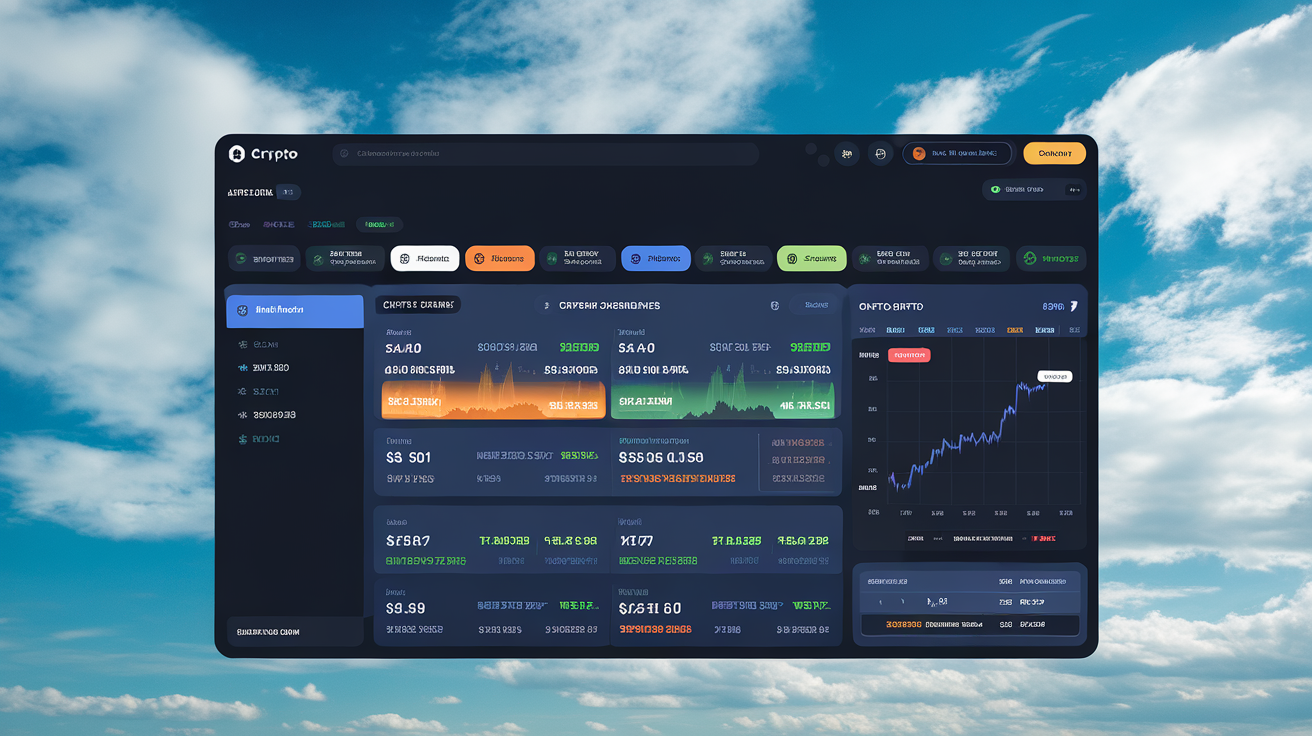
The cryptocurrency market continues to evolve rapidly, with investors looking for reliable platforms to buy, sell, and manage digital assets. One platform that has attracted online interest is eCrypto1.com Crypto Exchange. Whether you are a beginner exploring digital currencies or an experienced trader searching for new platforms, understanding how a crypto exchange works is essential before depositing funds.
This comprehensive 2026 guide examines eCrypto1.com Crypto Exchange, including its features, potential benefits, security considerations, trading tools, fees, supported cryptocurrencies, and important factors users should evaluate before choosing any cryptocurrency platform.
What Is eCrypto1.com Crypto Exchange?
eCrypto1.com Crypto Exchange is a website that has been discussed online in connection with cryptocurrency-related content. As with any platform operating in the digital asset industry, users should carefully review the services offered, verify current information directly from the platform, and ensure they understand the associated risks before opening an account or transferring funds.
In general, a cryptocurrency exchange enables users to:
- Buy cryptocurrencies
- Sell digital assets
- Trade between crypto pairs
- Monitor market prices
- Store assets using supported wallets
- Track portfolio performance
The exact services available on any exchange may change over time, so it is important to consult the platform’s official information for the latest details.
Key Features Commonly Expected from a Modern Crypto Exchange
When evaluating a cryptocurrency exchange, users typically look for a combination of usability, security, and trading functionality. Features commonly found on established exchanges include:
User-Friendly Dashboard
A well-designed interface allows traders to:
- View live price charts
- Place buy and sell orders
- Monitor balances
- Review transaction history
- Manage portfolios
A clean dashboard is particularly valuable for beginners entering the cryptocurrency market.
Wide Range of Digital Assets
Many exchanges support major cryptocurrencies such as:
- Bitcoin (BTC)
- Ethereum (ETH)
- Solana (SOL)
- BNB
- XRP
- Cardano (ADA)
- Dogecoin (DOGE)
- Stablecoins such as USDT and USDC
The specific assets supported vary by platform.
Trading Tools
Modern exchanges often provide:
- Market orders
- Limit orders
- Stop-loss functionality
- Price charts
- Trading history
- Portfolio analytics
These tools help users make informed trading decisions.
Security Considerations for Crypto Exchange Users
Security is one of the most important aspects of any cryptocurrency platform. Before using eCrypto1.com or any other exchange, users should look for publicly available information about security practices and account protections.
Common security features offered by reputable exchanges include:
- Two-factor authentication (2FA)
- Encrypted connections (HTTPS)
- Cold storage for a portion of customer assets
- Withdrawal confirmations
- Anti-phishing measures
- Device and login management
Users should also adopt good personal security habits, such as using strong passwords, enabling 2FA where available, and never sharing recovery phrases or private keys.
Understanding Trading Fees and Costs
Every cryptocurrency exchange has its own pricing structure. Typical fees in the industry may include:
- Trading fees for buying and selling digital assets.
- Withdrawal fees when transferring crypto to an external wallet.
- Network (blockchain) fees, which vary depending on the cryptocurrency and network conditions.
- Deposit fees, though many exchanges do not charge for standard crypto deposits.
Before trading on any platform, review its current fee schedule so you understand the total cost of transactions.
Choosing a Crypto Exchange: What to Evaluate
Before creating an account on any cryptocurrency exchange, consider the following factors:
Regulatory Information
Check whether the platform provides clear information about the company, its operating jurisdiction, and applicable legal or regulatory status.
Transparency
Reliable exchanges generally publish information about:
- Terms of service
- Privacy policy
- Fee schedules
- Customer support
- Risk disclosures
Customer Support
Responsive support can be valuable if users encounter account, verification, or transaction issues.
Liquidity
Higher liquidity often results in tighter spreads and faster order execution, which can improve the trading experience.
Educational Resources
Many exchanges offer guides, market updates, and educational materials to help users understand cryptocurrency investing and blockchain technology.
Benefits and Risks of Cryptocurrency Trading
Cryptocurrency markets can offer opportunities, but they also involve significant risks.
Potential Benefits
- 24/7 market access
- Global trading opportunities
- Access to a wide range of digital assets
- Rapid transaction settlement on many blockchain networks
- Portfolio diversification
Potential Risks
- High price volatility
- Market fluctuations
- Cybersecurity threats
- Scams and phishing attempts
- Regulatory changes
Because cryptocurrency prices can change rapidly, users should only invest funds they can afford to lose and should research any platform before using it.
Tips for Staying Safe When Using Any Crypto Exchange
Whether using eCrypto1.com or another cryptocurrency platform, these best practices can help improve account security:
- Enable two-factor authentication (2FA) if available.
- Use a unique, strong password for your exchange account.
- Verify website addresses before logging in to avoid phishing sites.
- Be cautious of unsolicited messages requesting account information or private keys.
- Review withdrawal details carefully before confirming transactions.
- Consider storing long-term holdings in a personal wallet rather than leaving all assets on an exchange.
Practicing good digital security habits is an important part of responsible cryptocurrency ownership.
Conclusion
Interest in eCrypto1.com Crypto Exchange reflects the growing demand for cryptocurrency trading platforms. As with any exchange, prospective users should carefully evaluate the platform’s available features, fee structure, transparency, and security practices before deciding to use it. Because details about cryptocurrency services can change over time, relying on the platform’s official information is essential.
More broadly, successful cryptocurrency participation depends on informed decision-making, strong security habits, and a clear understanding of market risks. Whether you are new to digital assets or an experienced trader, taking the time to research any exchange thoroughly can help you make more confident and responsible investment decisions.
Frequently Asked Questions (FAQs)
What is eCrypto1.com Crypto Exchange?
eCrypto1.com is a website associated with cryptocurrency-related services. Users should review the platform’s official information to understand its current offerings and features.
Can I trade Bitcoin and Ethereum on eCrypto1.com?
The cryptocurrencies available on any exchange can change over time. Check the platform directly for its current list of supported assets.
Is cryptocurrency trading risky?
Yes. Cryptocurrency markets are highly volatile, and prices can rise or fall significantly over short periods.
How do I choose a reliable crypto exchange?
Look for clear information about security, fees, transparency, customer support, and regulatory disclosures before creating an account.
What security features should a crypto exchange provide?
Common features include two-factor authentication (2FA), encrypted connections, account verification, and other measures designed to help protect user accounts.
Should I research a crypto platform before investing?
Yes. Always conduct your own research, review the platform’s official documentation, and understand the risks before depositing funds or trading.


 Celebrity4 months ago
Who Is Susie Cusack: Exploring Her Life, Family Legacy, Career, and Private Journey
- Celebrity4 months ago
Who Is Marion Loretta Elwell Broderick? Sarah Jessica Parker’s Daughter
- Sports4 months ago
Stream East: A Complete Guide to the Popular Sports Streaming Platform
- Celebrity4 months ago
Jake Paltrow: Biography, Career, Movies, Family, and Filmmaking Journey
- Sports4 months ago
Total Sportek: What It Is, How It Works, and Legal Alternatives for Sports Fans
- Business4 months ago
Mike Wolfe Passion Project: Preserving America’s History Through Vintage Treasures and Community Revival
- Business3 months ago
SnapJotz com (2026): Complete Guide to Features, Digital Content, Benefits, and User Experience
- Fashion3 months ago
# Redand whitemagz.com: The Complete 2026 Guide to Digital Magazine Content, Technology, AI, and Creative Publishing