
Blog
01443 544986: Who Called Me? Complete Phone Number Guide for 2026


Receiving an unexpected call from 01443 544986 can naturally make us curious about who is behind the number and why they are trying to contact us. An unfamiliar telephone number can belong to a legitimate individual, local business, service provider, automated system, or an unwanted caller. Because caller identification is not always reliable, we should avoid making assumptions based only on the number displayed on our phone.
The number 01443 544986 uses the UK 01443 area code, which is associated with parts of South Wales. However, an area code does not prove the caller’s exact location or identity. Modern business telephone systems, VoIP services, call forwarding, and caller-ID spoofing can all make telephone-number identification more complicated.
For anyone searching for 01443 544986, the most useful approach is to understand what the number indicates, recognize potential warning signs, and know how to respond safely if the caller contacts us.
What Is 01443 544986?
01443 544986 is a UK telephone number beginning with the 01443 area code. The 01443 code is associated primarily with areas of South Wales, including locations such as the Rhondda, Cynon, and surrounding communities.
Unlike mobile numbers beginning with 07, an 01443 number is formatted as a geographic landline number. However, this does not necessarily mean the person making the call is physically located at the address associated with the number.
Businesses and organizations can use telephone systems that route calls through different locations. VoIP technology can also allow calls to be managed remotely. Furthermore, caller-ID spoofing means that the number appearing on a recipient’s screen can potentially be different from the true source of the call.
Consequently, the 01443 area code provides useful geographic information, but it does not independently identify the caller.
Why Might 01443 544986 Be Calling?
There are many legitimate reasons for receiving a call from an unfamiliar geographic number. It could be a local business, tradesperson, healthcare organization, school, office, service provider, delivery company, or private individual.
We may also receive calls after submitting an online enquiry, booking an appointment, requesting a quotation, ordering a service, or communicating with an organization in the South Wales area.
Another possibility is marketing or customer-service communication. Companies sometimes use geographic-looking numbers for outbound calls because recipients may be more likely to answer a local-looking number.
However, an unexpected call can also be a nuisance call or potential scam. Automated calling systems and fraudulent callers may use geographic numbers to make their communications appear familiar.
If we recently interacted with an organization in the 01443 area, we should check emails, text messages, invoices, appointment confirmations, and other records before deciding whether the call was expected.
Is 01443 544986 a Scam or Legitimate?
There is not enough verified information from the number alone to conclusively classify 01443 544986 as either legitimate or fraudulent. A telephone number should not be labeled a scam simply because its owner is unknown.
At the same time, we should not assume that an unfamiliar caller is trustworthy. The safest approach is to evaluate what the caller says and what they ask us to do.
A legitimate caller should generally be able to explain the purpose of the communication. If they claim to represent a company, bank, government department, insurer, retailer, or other organization, we can ask for enough information to understand the reason for the call without revealing confidential information.
We should become particularly cautious if the caller asks for bank details, passwords, PINs, one-time passcodes, remote computer access, or immediate payment.
Pressure is another major warning sign. If someone tells us that we must act immediately or face financial loss, account closure, legal consequences, or another urgent problem, we should stop and independently verify the claim.
What Should We Do If 01443 544986 Calls?
If we recognize the caller or are expecting communication from a South Wales organization, we can answer while still protecting our personal information.
If we do not recognize 01443 544986, allowing the call to go to voicemail can be a sensible first step. A legitimate caller may leave a message explaining who they are and why they contacted us.
If we answer and the caller identifies an organization, we can ask for the caller’s name, department, and general purpose of the call. We should avoid confirming unnecessary personal information.
If the caller asks for confidential details, we should politely end the conversation. We can then independently locate the organization’s official contact details and contact them ourselves.
We should also be cautious if the caller asks us to click a link, download an application, transfer money, or move the conversation to another messaging platform. These requests should be independently verified before we take action.
Warning Signs of a Suspicious Phone Call
Several patterns can indicate that an unexpected call deserves additional caution.
The first is unusual urgency. A caller who refuses to give us time to verify their identity or insists that a payment must be made immediately should be treated cautiously.
Another warning sign is a request for authentication information. One-time codes, passwords, PINs, and banking credentials should never be disclosed to an unexpected caller.
We should also be careful when a caller claims to represent a well-known organization but uses unusual payment instructions or asks us to install software on our computer.
Unexpected requests for remote access are particularly concerning. We should never allow an unknown caller to control our computer or smartphone simply because they claim there is a technical problem.
Repeated calls, silent calls, automated messages, aggressive sales tactics, or calls that disconnect immediately after being answered can also indicate nuisance calling activity.
The important point is that caller ID alone is not sufficient proof of identity. We should judge the communication based on independently verifiable information.
How to Check 01443 544986 Safely
If we want to research 01443 544986, we can search the complete number in different formats, including 01443544986 and 01443 544986. Telephone directories and caller-reporting websites may format numbers differently.
However, community reports should be considered informational rather than definitive evidence. A comment from one person may describe their particular experience, but it does not necessarily prove who operates the number or establish that every call from it has the same source.
If the caller claims to represent a business, the safest verification method is to independently find that company’s official website and use the contact details published there.
We should not rely on a link, email address, telephone number, or payment instruction supplied by an unexpected caller as our only method of verification.
If we were not expecting a call and there is no voicemail or other credible explanation, we can simply choose not to engage.
How to Block 01443 544986
If calls from 01443 544986 are unwanted, we can block the number using the phone’s built-in call-management features.
On an iPhone, we can open the Phone application, locate the number in the recent-call list, select its information option, and choose the option to block the caller.
On most Android devices, we can open the Phone app, find the number in our call history, and choose Block or Block/report spam. The exact wording can vary depending on the phone manufacturer and software version.
Blocking the number can prevent calls from that particular displayed number, but it cannot guarantee that unwanted callers will stop completely. If someone is using spoofed caller ID, they may contact us using another number.
For persistent nuisance calls, we can also investigate call-screening and spam-filtering services offered by our mobile or telephone provider.
Conclusion
01443 544986 is a UK geographic telephone number using the 01443 area code, which is associated with parts of South Wales. The area code can provide geographic context, but it does not establish the identity or exact location of the person making a particular call.
There is insufficient verified information from the number alone to conclude that it is definitively a scam or that it belongs to a particular organization. The safest response is therefore to remain cautious, especially if the caller makes unexpected requests for money, passwords, banking information, security codes, or remote computer access.
If we were expecting a call, we can verify the context through our existing records. If we were not expecting it, allowing the call to go to voicemail and independently checking any claims is a safer approach.
Ultimately, the best way to handle an unfamiliar number is simple: do not panic, do not provide sensitive information, and verify the caller independently before taking action.
Frequently Asked Questions About 01443 544986
What is 01443 544986?
01443 544986 is a UK geographic telephone number using the 01443 area code, which is associated with parts of South Wales.
Where is the 01443 area code?
The 01443 area code is associated with areas of South Wales, including communities in and around the Rhondda Cynon Taf region.
Is 01443 544986 a scam?
There is not enough verified information to conclude that 01443 544986 is definitely a scam. We should assess the circumstances of the call and verify any claims independently.
Should we call 01443 544986 back?
If we do not recognize the number and were not expecting contact, there is generally no reason to call it back immediately. We can first check whether we were expecting communication and research the number.
Can we block 01443 544986?
Yes. Modern iPhones and Android phones generally allow users to block unwanted telephone numbers from the recent-call history.
What if the caller asks for our bank details?
We should not provide banking credentials, passwords, PINs, or one-time security codes to an unexpected caller. Instead, we should end the call and contact the supposed organization using independently verified contact information.
Can an 01443 number be spoofed?
Yes. Caller-ID spoofing can make a call appear to originate from a particular number even when that number does not accurately identify the caller.
Does 01443 544986 definitely come from South Wales?
The 01443 area code is associated with South Wales, but the displayed area code alone does not prove where the caller is physically located. Modern telephone systems and spoofing can make geographic assumptions unreliable.
Blog
Setting Granite Countertops: The Complete Guide to Professional Installation and Long-Lasting Results

Setting granite countertops is one of the most important stages of any kitchen or bathroom renovation. Granite remains a top choice in 2026 because of its durability, natural beauty, heat resistance, and long lifespan. When properly installed, granite countertops can last for decades while maintaining their elegant appearance and increasing property value.
Whether we are remodeling a modern kitchen, upgrading a bathroom vanity, or creating a luxurious workspace, understanding the process of setting granite countertops helps ensure a flawless result. From preparation and measurement to leveling, securing, and sealing, every step contributes to the countertop’s performance and appearance.
This guide covers everything involved in setting granite countertops, including preparation techniques, installation methods, common mistakes, maintenance practices, and professional recommendations.
Why Granite Countertops Remain a Popular Choice
Granite is a natural stone formed under intense heat and pressure beneath the earth’s surface. Its unique mineral composition creates stunning patterns and color variations that make every slab one of a kind.
Some of the biggest advantages of granite countertops include:
- Exceptional durability
- Natural resistance to scratches
- Heat-resistant surface
- Timeless visual appeal
- Increased property value
- Wide variety of colors and patterns
- Long service life with proper maintenance
Unlike synthetic materials, granite offers natural elegance that complements traditional, contemporary, farmhouse, and luxury kitchen designs.
Because of these benefits, homeowners and commercial property owners continue investing in granite installations for kitchens, bathrooms, bars, laundry rooms, and outdoor cooking areas.
Preparing for Setting Granite Countertops
Successful installation begins long before the stone reaches the project site. Proper preparation ensures accurate placement and minimizes the risk of damage during installation.
Measuring the Space
Precise measurements are essential when ordering granite slabs. Installers carefully measure:
- Counter length
- Counter depth
- Sink openings
- Appliance locations
- Backsplash requirements
- Overhang dimensions
Even small measurement errors can lead to costly modifications or replacement pieces.
Inspecting Cabinets
Before setting granite countertops, cabinet bases must be strong enough to support the substantial weight of natural stone.
Installers verify:
- Structural stability
- Level surfaces
- Proper anchoring to walls
- Reinforced support where necessary
Weak cabinets can cause shifting, cracking, or uneven countertop surfaces after installation.
Checking for Level Conditions
Granite requires a perfectly level foundation. Any unevenness in the cabinet system must be corrected using shims and adjustments before installation begins.
Professional installers spend significant time ensuring all cabinets are level because granite slabs cannot flex to compensate for irregular surfaces.
The Process of Setting Granite Countertops
The actual installation process requires careful handling and precision.
Transporting the Slabs
Granite slabs are extremely heavy and fragile during transport. Professionals use:
- Specialized carrying clamps
- A-frame transportation racks
- Protective padding
- Multiple installers for lifting
Proper transportation reduces the risk of cracking or chipping.
Dry Fitting the Granite
Before applying adhesives or permanent fasteners, installers perform a dry fit.
This process involves:
- Positioning each slab
- Verifying seam alignment
- Checking overhang dimensions
- Confirming sink and appliance openings
- Inspecting overall appearance
Dry fitting allows adjustments before final installation.
Applying Support Materials
Depending on the project requirements, installers may use:
- Silicone adhesive
- Construction adhesive
- Epoxy compounds
- Reinforcement brackets
These materials help secure the countertop while allowing slight flexibility for natural movement.
Positioning and Leveling
Once supports are ready, the granite slab is carefully lowered into position.
Installers verify:
- Front-to-back level
- Side-to-side level
- Seam alignment
- Wall fitment
Minor adjustments are often made using shims to achieve a perfectly flat surface.
Seaming Granite Countertops for a Professional Finish
Many countertop installations require multiple granite sections. Proper seam creation is critical for achieving a seamless appearance.
Matching Patterns
Professional installers carefully align:
- Veining patterns
- Color transitions
- Mineral formations
The goal is to make seams as inconspicuous as possible.
Using Epoxy Adhesives
Color-matched epoxy is applied between adjoining pieces. The epoxy creates a strong bond while blending with the stone’s natural appearance.
Finishing the Seam
After curing, the seam is:
- Scraped smooth
- Polished
- Inspected under various lighting conditions
A properly executed seam should be difficult to notice from normal viewing distances.
Installing Sinks and Backsplashes with Granite Countertops
Countertop installation often includes sinks and backsplashes.
Undermount Sink Installation
Undermount sinks are highly popular because they create a clean and modern appearance.
Installation involves:
- Positioning sink brackets
- Applying waterproof silicone
- Securing mounting hardware
- Testing structural support
A correctly installed undermount sink can safely support years of daily use.
Backsplash Installation
Granite backsplashes provide additional protection against moisture and stains.
Benefits include:
- Easier cleaning
- Wall protection
- Enhanced aesthetics
- Coordinated design appearance
Backsplashes are typically secured using adhesive and carefully aligned for a consistent finish.
Common Mistakes to Avoid When Setting Granite Countertops
Even premium granite can develop problems if installation mistakes occur.
Ignoring Cabinet Leveling
One of the most frequent issues involves placing granite on uneven cabinets. This can create stress points that increase the risk of cracks.
Insufficient Support
Granite is heavy and requires adequate structural support. Unsupported overhangs may eventually sag or fracture.
Poor Seam Placement
Visible seams can negatively affect the countertop’s appearance. Strategic seam positioning is essential for a professional result.
Skipping Sealant Application
Many granite varieties are porous. Failure to seal the stone can allow staining from oils, beverages, and food products.
Improper Handling
Dropping or twisting a granite slab during installation can cause permanent damage. Proper lifting techniques are crucial throughout the process.
Maintenance After Setting Granite Countertops
Once installation is complete, routine maintenance helps preserve the stone’s beauty and functionality.
Regular Cleaning
Use:
- Mild soap
- Warm water
- Stone-safe cleaners
- Soft microfiber cloths
Avoid harsh chemicals that may damage the sealant.
Periodic Sealing
Many granite surfaces benefit from resealing every one to three years, depending on usage and stone porosity.
A quality sealant helps:
- Prevent staining
- Improve moisture resistance
- Maintain appearance
- Extend countertop life
Preventing Damage
Although granite is durable, homeowners should still:
- Use cutting boards
- Clean spills promptly
- Avoid excessive impact
- Protect edges from heavy blows
Proper care ensures the countertop remains attractive for decades.
The Value of Professional Granite Countertop Installation
While some renovation projects can be completed independently, setting granite countertops often requires professional expertise. The weight, precision, and specialized equipment involved make professional installation the safest and most reliable option.
Experienced installers understand:
- Accurate measurements
- Structural requirements
- Seam placement techniques
- Stone handling procedures
- Finishing and polishing methods
Their expertise significantly reduces the risk of costly mistakes and ensures a beautiful final result.
Conclusion
Setting granite countertops is a detailed process that combines preparation, precision, and craftsmanship. From cabinet inspection and slab positioning to seam finishing and sealing, every step contributes to the countertop’s durability and visual appeal.
Granite remains one of the most desirable countertop materials in 2026 because of its strength, elegance, heat resistance, and long-term value. When installed correctly and maintained properly, granite countertops provide decades of reliable performance while enhancing the beauty of kitchens, bathrooms, and other living spaces.
By following proper installation practices and investing in quality workmanship, we can achieve a stunning granite countertop system that combines functionality, durability, and timeless style.
Frequently Asked Questions (FAQ)
How long does it take to set granite countertops?
Most residential granite countertop installations can be completed within a single day, although larger or more complex projects may require additional time.
Do granite countertops need to be sealed?
Yes. Most granite countertops benefit from sealing to protect against moisture absorption and staining.
Can granite countertops crack after installation?
Granite is extremely durable, but improper support, excessive impact, or structural movement can cause cracking.
How much weight can granite countertops support?
When properly installed with adequate cabinet support, granite countertops can support substantial weight and withstand normal residential use.
Are granite countertops heat resistant?
Yes. Granite naturally resists heat, making it suitable for kitchen environments, though trivets are still recommended for maximum protection.
How often should granite countertops be resealed?
Most granite surfaces should be resealed every one to three years, depending on usage and the stone’s porosity.
Can granite countertops increase home value?
Yes. Granite countertops are widely viewed as a premium feature that can improve a home’s appearance and market appeal.
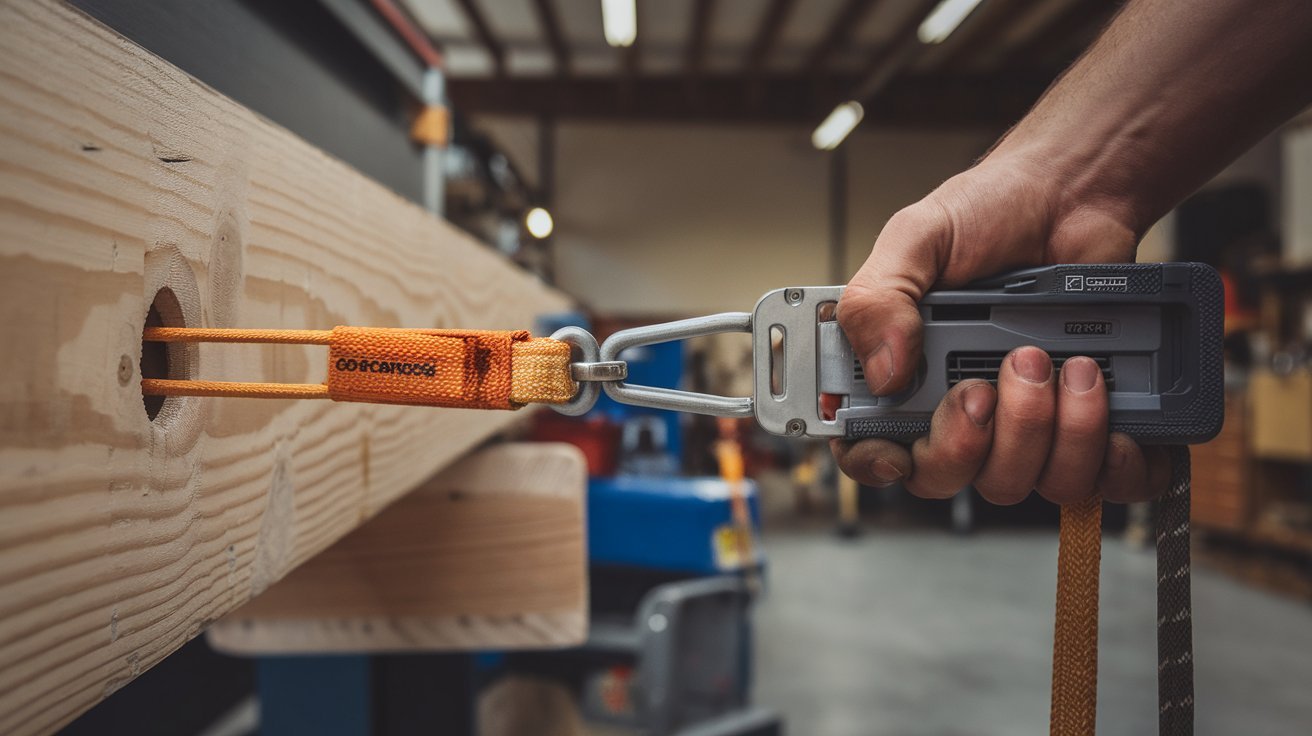
Learning ratchet tie down how to thread is an important skill for anyone who regularly transports motorcycles, furniture, equipment, lumber, appliances, or other cargo. A ratchet tie-down can create strong tension and help keep a load from shifting during transportation, but only when the strap is installed and used correctly. Incorrect threading can leave the strap loose, cause uneven tension, or make the mechanism difficult to release.
A typical ratchet tie-down consists of a webbing strap, ratchet mechanism, spool, handle, and attachment hardware such as hooks or loops. Although designs differ between manufacturers, the basic threading principle is similar: the loose end of the webbing passes through the ratchet spool and is then tightened by operating the handle.
This guide explains how ratchet tie-down straps are threaded, how the mechanism works, common mistakes, safety checks, and practical tips for achieving a secure setup.
What Is a Ratchet Tie-Down?
A ratchet tie-down is a cargo-securing device designed to apply tension to a strap around or across a load. The ratchet mechanism makes it easier to tighten the webbing than manually pulling a conventional strap.
The system usually has two major parts. The first is the ratchet assembly, which contains the handle and rotating spool. The second is the webbing strap, which passes through the spool and connects to an anchor point.
Depending on the design, a tie-down may have S-hooks, J-hooks, flat hooks, loop ends, or other attachment hardware. The appropriate style depends on the vehicle, anchor points, and type of cargo being transported.
It is important to distinguish a tie-down’s working load limit (WLL) from its breaking strength. The WLL is the relevant rating for determining how much load the tie-down is intended to secure under specified conditions. Always follow the manufacturer’s rating and instructions rather than relying on the strap’s appearance.
Ratchet Tie Down How to Thread: The Basic Process
The basic ratchet tie down how to thread process starts with opening the ratchet mechanism sufficiently to expose the spool. Place the strap so that the side of the webbing intended for the load faces correctly and make sure it is not twisted.
The free end of the webbing is then passed through the slot in the rotating spool. Pull enough webbing through the spool to remove unnecessary slack while leaving sufficient material for the ratchet to wind securely.
Once the webbing is positioned correctly, operate the ratchet handle through its normal range of motion. The spool winds the webbing around itself, gradually increasing tension.
The exact mechanism can vary, so follow the manufacturer’s threading diagram whenever one is provided. Some ratchets have different spool designs or release mechanisms, and forcing the webbing through an incorrect opening can prevent the ratchet from functioning properly.
The goal is not simply to make the strap extremely tight. The goal is to achieve appropriate, stable tension without damaging the strap, cargo, or anchor point.
Step-by-Step Guide to Threading a Ratchet Strap
Before threading the strap, inspect the entire tie-down. Look for cuts, fraying, melted fibers, damaged stitching, bent hooks, corrosion, or a malfunctioning ratchet. A damaged strap should not be used for securing cargo.
Next, identify the ratchet’s spool and release mechanism. Open the ratchet according to its design so that the spool can accept the webbing.
Feed the free end of the webbing through the spool slot. Pull the strap through by hand until most unnecessary slack has been removed. Keeping the webbing relatively flat helps it wind evenly.
Close the ratchet into its operating position and move the handle repeatedly through its normal motion. The webbing should wrap around the spool rather than bunching, folding, or crossing over itself.
Stop tightening when the load is appropriately secured. Do not continue ratcheting simply because the mechanism allows additional movement. Excessive tension can damage cargo, attachment points, or the tie-down itself.
Finally, close and lock the ratchet in its intended secured position. Check the strap path and attachment points before transporting the load.
Common Ratchet Strap Threading Mistakes
Several mistakes can make a ratchet tie-down less effective. One of the most common is threading the webbing in the wrong direction around the spool. If the strap is installed incorrectly, the ratchet may fail to wind properly or may be difficult to operate.
Another mistake is leaving too much loose webbing between the load and the ratchet. Excess slack means the ratchet has to wind a large amount of material before proper tension develops.
Twisted webbing is another problem. A twisted strap may not distribute tension as intended and can rub against edges or other surfaces unevenly.
Overloading is even more serious. A ratchet strap should never be selected based only on whether it physically fits around the cargo. Its working load limit must be appropriate for the cargo and securing arrangement.
Finally, never use a tie-down with damaged webbing or hardware simply because the damage appears minor. Webbing and stitching can deteriorate from abrasion, chemicals, heat, weather, and repeated use.
How to Use Ratchet Tie-Downs Safely
Correct threading is only one part of safe cargo securement. The entire system—including anchor points, hooks, webbing, ratchet, and load—needs to be appropriate.
Before driving, inspect every attachment point. Hooks should be properly seated and should not be positioned in a way that allows them to disengage. The strap should also be routed so that it does not contact sharp edges without appropriate protection.
For loads with potentially abrasive or sharp surfaces, use suitable edge protection. This can help reduce cutting or abrasion of the webbing.
After beginning transportation, periodically check the load when practical and safe to do so. Cargo can settle, shift, or change tension during movement.
Never use a tie-down as a substitute for an appropriate restraint system when transporting a load that requires specialized securement. For heavy commercial cargo, follow applicable transportation regulations and professional load-securement practices.
Choosing the Right Ratchet Tie-Down
Selecting the correct strap is just as important as knowing how to thread a ratchet tie down. Consider the cargo’s weight, dimensions, shape, anchor points, and the forces likely to affect it during transportation.
Look for the manufacturer’s working load limit, strap length, webbing material, hardware type, and intended application. Different straps are designed for different environments and loads.
For example, a tie-down used for light household cargo may be very different from one designed for heavier recreational equipment. Never assume that a wider or thicker strap automatically makes every securing arrangement safe.
Also consider the condition and quality of the hardware. Hooks and ratchets should operate correctly and show no signs of significant deformation or corrosion.
The safest choice is a tie-down whose specifications and intended application are appropriate for the particular load and securing system.
How to Release a Ratchet Tie-Down
Releasing a ratchet tie-down should be done carefully because stored tension can cause the mechanism or webbing to move unexpectedly.
Keep hands and fingers away from pinch points around the ratchet mechanism. Operate the release mechanism according to the manufacturer’s instructions and gradually allow the tension to come off.
Do not place your body in a position where you could be struck if the strap or load suddenly moves. A heavily tensioned load may behave differently when the strap is released.
Once tension is removed, pull the webbing back through the spool and detach the hooks or other hardware. Store the strap cleanly so that the webbing does not become unnecessarily tangled or damaged.
Frequently Asked Questions About Ratchet Tie Down How to Thread
Which way does the strap go through a ratchet?
The free end generally passes through the slot in the rotating spool, but the exact routing depends on the ratchet design. Always compare the mechanism with the manufacturer’s threading instructions.
Why won’t my ratchet strap tighten?
Possible causes include incorrect threading, excessive slack, webbing wrapped incorrectly around the spool, or a damaged mechanism. Check the threading path before applying additional force.
Can I use a damaged ratchet strap?
No. Cuts, severe fraying, damaged stitching, melted fibers, bent hardware, or malfunctioning ratchets are reasons to remove a tie-down from service.
How tight should a ratchet tie-down be?
It should provide appropriate tension for securing the load without excessive force. Over-tightening can damage cargo, anchor points, or the strap.
Why does my ratchet strap twist?
Twisting can happen when the webbing is not positioned flat before tightening. Reposition the strap so it runs smoothly and avoid allowing it to cross or fold unnecessarily.
Can ratchet straps secure any type of cargo?
No. The tie-down must be appropriate for the weight, shape, securing points, and transportation conditions of the load. Specialized or very heavy cargo may require additional restraint systems.
Conclusion
Understanding ratchet tie down how to thread is essential for using cargo straps effectively. The basic process involves opening the ratchet, feeding the webbing through the spool, removing excess slack, and using the ratchet mechanism to create appropriate tension.
However, proper threading is only part of safe cargo securement. Always inspect the webbing, stitching, hooks, ratchet, and anchor points, respect the manufacturer’s working load limit, protect straps from sharp edges, and avoid excessive tension.
When in doubt, consult the manufacturer’s instructions for the exact ratchet design you own. With correct threading, appropriate equipment, and regular inspection, ratchet tie-downs can be a practical and reliable way to secure many types of cargo during transportation.



 Celebrity4 months ago
Who Is Susie Cusack: Exploring Her Life, Family Legacy, Career, and Private Journey
- Celebrity4 months ago
Who Is Marion Loretta Elwell Broderick? Sarah Jessica Parker’s Daughter
- Sports3 months ago
Stream East: A Complete Guide to the Popular Sports Streaming Platform
- Celebrity3 months ago
Jake Paltrow: Biography, Career, Movies, Family, and Filmmaking Journey
- Business3 months ago
RenWeb: A Complete Guide to School Management, Parent Communication, and Student Information Systems
- Business3 months ago
Mike Wolfe Passion Project: Preserving America’s History Through Vintage Treasures and Community Revival
- Sports3 months ago
Total Sportek: What It Is, How It Works, and Legal Alternatives for Sports Fans
- Business3 months ago
SnapJotz com (2026): Complete Guide to Features, Digital Content, Benefits, and User Experience